
If you’re an Auckland homeowner thinking about repainting, you’ve probably already discovered that getting a straight answer on price is harder than it should be. Some painters throw out a vague number on the spot. Others quote “from $X” with no explanation of what that includes. A few won’t quote at all without a site visit.
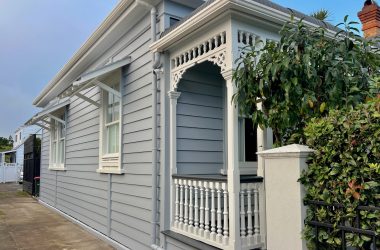
This guide gives you honest, up-to-date pricing based on the jobs we complete every week across Auckland — from Grey Lynn villas to North Shore bungalows to modern plaster homes in East Auckland. We’ll break down what drives the cost, what a realistic budget looks like for your property type, and what to watch out for when comparing quotes.
Quick answer: what does house painting cost in Auckland in 2026?
Here’s a realistic summary before we go into detail:
| Scope | Typical Auckland range (GST incl.) |
|---|---|
| Interior repaint — 3-bedroom home | $8,000 – $14,000 |
| Exterior repaint — single storey | $8,500 – $15,000 |
| Exterior repaint — two storey / villa | $15,000 – $28,000 |
| Roof painting | $3,500 – $8,000 |
| Full repaint (interior + exterior) | $18,000 – $38,000+ |
These are realistic planning ranges, not ‘from’ prices. See our full exterior painting cost guide and interior painting cost guide for deeper breakdowns
A note on Auckland pricing: Auckland consistently sits 10–20% above national averages. Higher labour rates, more complex access, Auckland’s coastal climate, and strong year-round demand all contribute to this. It’s not unusual — it’s simply the Auckland market.
What factors affect house painting costs?
1. Size of your home
The biggest driver of price is simply how much surface area needs to be painted. Painters price by the square metre for walls and ceilings, and per linear metre for trims and joinery.
As a rough guide:
- Interior walls and ceilings: $18–$30 per m²
- Exterior walls (weatherboard, well-maintained): $40–$60 per m²
- Exterior walls (full strip required): $80–$120 per m²
- Timber window joinery (per window): $150–$350
2. The condition of your surfaces
This is the single most variable factor in any painting quote, and the one most homeowners underestimate. A house that hasn’t been painted in 12 years with peeling paint and bare timber in places will cost significantly more to repaint than a well-maintained home last done 6–7 years ago.
Here’s why preparation matters so much:
- Lightly maintained surfaces need a clean, light sand, spot priming, and two topcoats
- Failed paint systems may require a full wet strip back to bare timber before any new paint can be applied — this can double the cost per square metre
- Plaster repairs on interior walls — filling cracks, stopping around windows and cornices — add time and skill
- Mould treatment is common in Auckland’s damp climate, particularly in bathrooms, south-facing rooms, and poorly ventilated spaces
Cutting corners on prep is the number one reason paint jobs fail early. A good painter won’t skip it — but it does cost more upfront.
3. Scaffolding and access
Any painting above 3 metres in New Zealand requires scaffolding by law. For a typical Auckland two-storey home, expect to add $2,000–$5,000 to the exterior quote for scaffold hire. Steep sections, tight sites in inner suburbs, or homes on hillsides can push this higher.
Some painters try to keep costs down by using ladders where scaffolding should be used. This is both unsafe and illegal — and it’s a red flag when comparing quotes.
4. Paint quality and number of coats
We use Resene paints on all our projects. For Auckland’s climate, we recommend:
- Resene Sonyx 101 or Dulux Weathershield for exteriors — higher UV resistance, better flexibility in temperature changes
- Resene SpaceCote or equivalent low-sheen for interior walls
- Anti-mould primers for bathrooms and any areas with previous moisture issues
Premium exterior paints cost $80–$150 per 10L versus $50–$70 for trade grade. On a full exterior repaint, the paint itself might add $500–$1,000 to material costs. But it can extend the lifespan of your paint job by several years — which is almost always the better investment.
Most professional repaints apply a primer coat plus two topcoats as a minimum. Not sure how many coats your project actually needs? See our full breakdown of how many coats of paint you need.
5. Your home’s cladding type
Different cladding types behave very differently when it comes to painting cost:
| Cladding type | Notes on cost |
|---|---|
| Weatherboard (timber) | Most common in Auckland. Cost depends heavily on condition. Well-maintained boards are relatively straightforward; badly weathered ones need intensive prep. |
| Plaster / textured | Porous surfaces absorb more paint — expect higher material costs. Cracks must be filled properly before painting. |
| Fibre cement (Harditex, Linea) | Generally easier to prepare. May need specific primers. |
| Brick | Less common for repaints, but possible. Requires a breathable masonry paint system. |
6. Your home’s age and history
Older Auckland homes — particularly pre-1980s villas and bungalows — often have additional considerations:
- Lead paint: Homes built before the 1970s very likely have lead-based paint in their original layers. You don’t necessarily need to strip it all, but it must be handled safely. Our team uses paint strip methods that comply with WorkSafe guidelines. Expect $1,500–$3,000 more for lead paint preparation on an older home.
- Ornate timber detailing: Villas and Edwardian bungalows have detailed window trims, bargeboards, and joinery that takes significantly longer to paint by hand. This is where the character comes from — but it does add to the quote.
- Previous poor-quality paint jobs: Discovering that a previous painter used the wrong system, skipped priming, or painted over moisture damage is unfortunately common. Fixing these properly adds time and cost.
7. Colour change
Switching from a dark colour to a light one (or vice versa) usually requires an additional coat to achieve proper coverage. Budget for this if you’re making a significant colour change — particularly on interiors.
Typical costs by home type in Auckland
Classic villa or bungalow (pre-1940s)
These are Auckland’s most character-rich homes — and its most demanding to repaint. Ornate timber trims, high ceilings, multi-storey layouts, and older paint systems all add to the scope.
- Exterior (single storey): $12,000 – $20,000+
- Exterior (two storey): $20,000 – $30,000+
- Interior (3–4 bedrooms): $10,000 – $18,000
- Key watch-outs: Lead paint, timber repairs, scaffold complexity
1960s–1980s weatherboard or fibrolite home
A simpler profile than a villa, but still requires solid prep if it hasn’t been painted recently.
- Exterior: $9,000 – $15,000
- Interior (3 bedrooms): $7,000 – $12,000
- Key watch-outs: Asbestos in pre-1986 fibrolite (requires specialist testing), weatherboard prep
Modern plaster or Harditex home (1990s–2010s)
Generally lower prep costs if well-maintained, but porous plaster needs proper priming.
- Exterior: $8,000 – $13,000
- Interior (3–4 bedrooms): $7,000 – $12,000
- Key watch-outs: Crack repairs in plaster, moisture ingress history
Two-storey home (any type)
The additional cost of scaffolding is the main driver here.
- Exterior: $15,000 – $28,000+
- Interior: $12,000 – $20,000+
Auckland suburb guide: does location affect price?
Yes — and more than most homeowners realise.
Central Auckland (Ponsonby, Grey Lynn, Mt Eden, Parnell): Villas are common, ornate detailing adds labour time, and tight inner-city sites often complicate access. Expect quotes at the upper end of ranges.
North Shore: Strong mix of weatherboard and plaster homes. Coastal properties in Beach Haven, Devonport, and Takapuna face salt spray, which means marine-grade prep and paints are recommended. Prices are typically similar to central Auckland.
East Auckland (Howick, Pakuranga, Botany): Lots of 1970s–90s weatherboard and plaster homes. Access tends to be easier. Prices typically mid-range.
South Auckland (Manukau, Papakura, Pukekohe): Generally the most competitive pricing in the region, with lower overheads. A good area to find value without compromising quality.
West Auckland (Henderson, New Lynn, Waitakere): Hilly terrain can add scaffolding complexity. Some beautiful older character homes in Waitakere. Mid-to-upper range pricing.
What does a typical Auckland painting quote include?
A proper fixed-price quote from a professional painter should include:
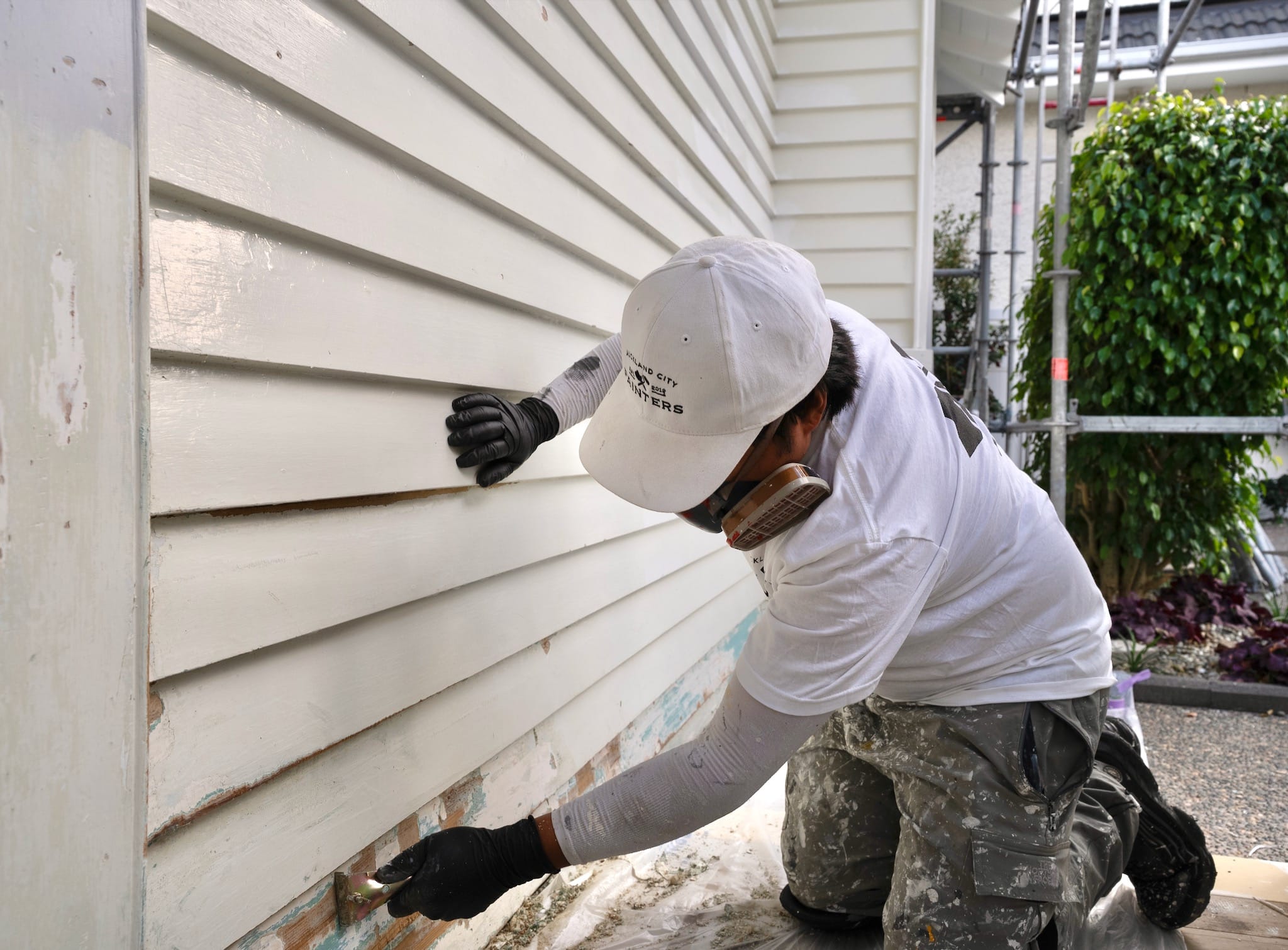
- Surface preparation — water blasting, sanding, scraping, filling, priming
- Number of coats specified for each surface
- Paint brand and product specified (not just “quality paint”)
- Scope of Work – what areas are included or excluded to paint
- Scaffolding costs if required
- Repairs included (and what’s excluded — e.g., major timber replacement)
- Workmanship guarantee — we offer a 5-year guarantee on all our work
A single-line quote with just a total price is a red flag. Ask for a breakdown.
Why do painting quotes vary so much?
It’s one of the most common frustrations homeowners share with us. You get three quotes and they’re thousands of dollars apart. Here’s why:
- Some painters guesstimate. They look at a house and throw out a number based on gut feel, not measurement. If the job turns out to be bigger, costs escalate mid-project.
- Scope differences. One quote might include scaffolding; another assumes ladder access. One includes two coats; another just one. Always compare like for like.
- Prep honesty. A painter who genuinely prices for proper preparation — stripping failed paint, treating mould, sealing bare timber — will always quote more than one who plans to paint over the problems. In our experience, the “cheap” job almost always costs more in the long run.
- Paint quality. The difference between a trade-grade and a premium exterior paint isn’t huge per litre, but it matters enormously over 10+ years.
At Auckland City Painters, we measure every job before quoting. You get a thorough and detailed quote so you know exactly what you’re paying for.
How to save money on your Auckland paint job
There are genuine ways to reduce costs without compromising quality:
Book in autumn or early winter. November–March is peak season for Auckland painters. April–August is quieter, and some painters offer better availability and rates. Interior work is unaffected by weather, so winter is actually ideal for interior repaints.
Bundle interior and exterior. If both need doing, combining them into one job saves on mobilisation and means scaffolding is only hired once — a significant saving.
Do basic prep yourself. Clearing rooms, moving outdoor furniture, trimming vegetation away from the house, and washing surfaces yourself can reduce labour time. Don’t skip priming or sanding though — that’s where the quality lives.
Get 3 quotes, but read them carefully. The cheapest quote isn’t always better value. Ask each painter to confirm what’s included in preparation, how many coats, and what paint they’re using.
Don’t over-prioritise cost on your roof. Roof repaints are expensive to redo and the prep is the most important factor. This is not where to cut corners.
Frequently asked questions
How much does it cost to paint a 3-bedroom house in Auckland? For an exterior repaint of a typical single-storey 3-bedroom home, budget $8,500–$15,000 — see our exterior painting cost guide for a full breakdown by home type. For a full interior repaint, $8,000–$12,000 — our interior painting cost guide covers this in detail.. A complete interior and exterior job typically runs $18,000–$28,000 depending on condition and home type.
How long does a paint job take? Exterior prep and painting on a single-storey home typically takes 5–8 working days for a professional team. Interior work on a 3-bedroom home is usually 4–6 days. Two-storey and villa projects take longer. Weather can delay exterior work.
Do I need scaffolding? Yes, generally if any part of the home is above 3 metres. This is required by New Zealand law. Any painter who proposes to avoid scaffolding requirements is cutting corners on safety and legality.
How many coats of paint do I need? As a minimum: a primer coat (on bare or porous surfaces) plus two topcoats. Some surfaces need a sealer first. Colour changes may need three coats for full coverage.
Is winter a good time to paint? For interiors, yes — it’s often the best time, with better painter availability. For exteriors, Auckland’s winter can be damp, but experienced painters plan around weather windows. It’s less ideal than summer but still achievable.
How do I know if my home has lead paint? If your home was built before 1970, assume lead paint is present in the original layers. A professional painter can assess this on site. Our team handles lead paint removal using strip methods that comply with WorkSafe NZ requirements.
Can painting increase my home’s value? Yes. A professionally repainted home typically shows a 5–10% uplift in market appeal, and can meaningfully accelerate a sale. It’s one of the highest-return improvements a homeowner can make before listing.
Ready to get a proper quote?
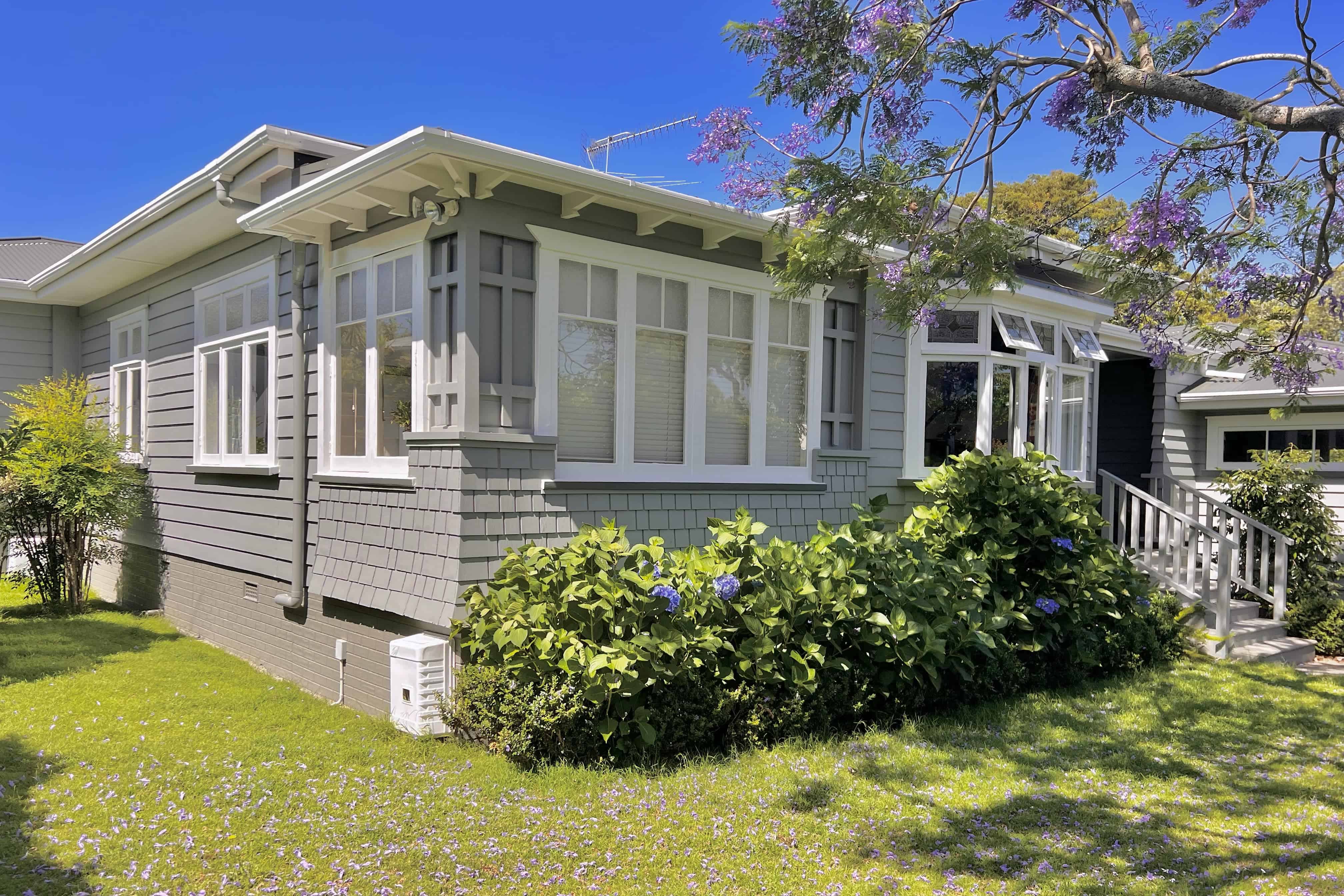
At Auckland City Painters, we measure every job before quoting. You’ll receive a clear, fixed-price proposal with a clear description of the scope of work along and paint specifications — no vague estimates, no surprises mid-project.
We’re a Registered Master Painters company with a 5-star Google rating and a 5-Year Master Painters Workmanship Guarantee. We use Resene and Dulux paints and have an in-home colour consultation (valued at $220) included with every full Resene repaint.
Auckland City Painters is a Registered Master Painters company based in Grafton, Auckland. We serve residential clients across Central, North, East, West and South Auckland.