
If you’ve been putting off repainting your home’s exterior and wondering whether “now” is a good time, the honest answer is: it depends more on the weather pattern than the date on the calendar. But there is a clear best window — and knowing it can save you from a rushed job that fails years before it should.
Why timing matters more in Auckland than most places
Auckland doesn’t get extreme weather, but it does get unpredictable weather — and that’s actually harder to plan around than a straightforward hot, dry climate. Rain can roll in with little warning, humidity sits high for much of the year, and a single unsettled afternoon can undo a full day’s work on a wall that hasn’t had time to cure.
Paint needs a stable window to dry and cure properly. Rush that, and you don’t just get a slightly rougher finish — you get adhesion problems, blistering, and a paint job that might fail in two or three years instead of the seven to ten it should last. We’ve covered how long a proper exterior paint job should last on an Auckland home in more detail, and timing is one of the biggest factors behind why some homes get the full lifespan out of their paint and others don’t.
The best months for exterior painting in Auckland
Late spring through early autumn (November–April)
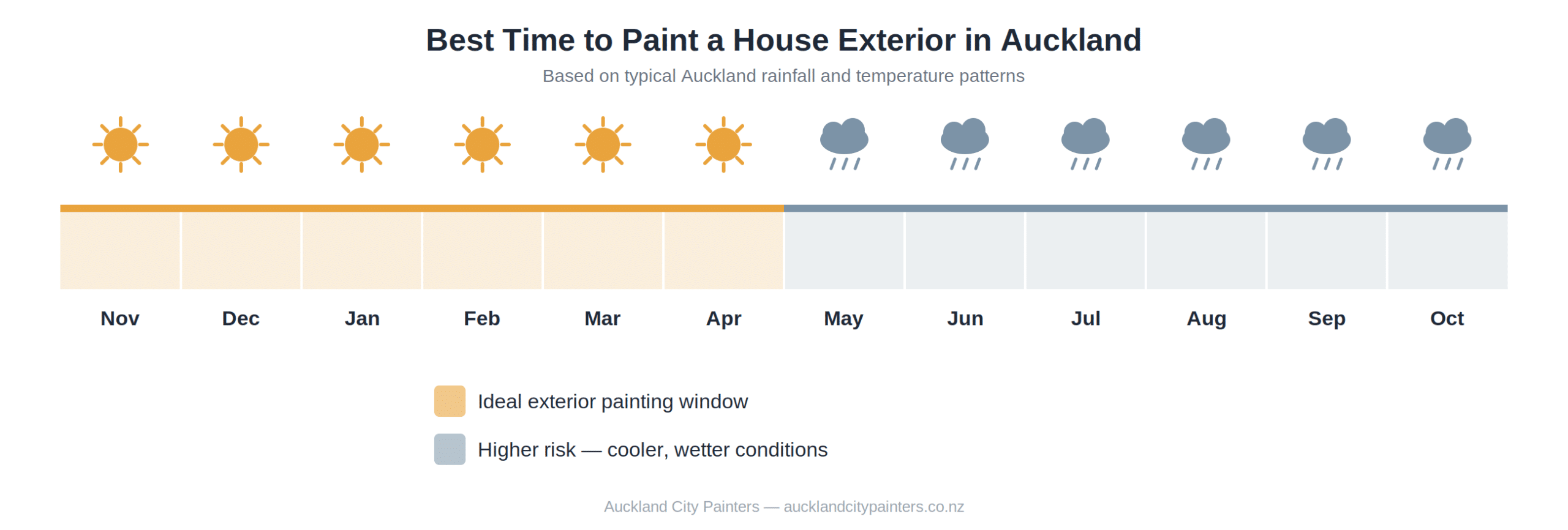
For most Auckland homes, the most reliable stretch for exterior painting runs from November through to April. This period offers the best combination of:
- Warmer, more stable air and surface temperatures
- Lower humidity than winter
- Longer daylight hours, giving paint more time to dry and cure between coats
- A meaningfully lower chance of the multi-day rain systems that roll through Auckland in winter
Auckland’s wettest period falls firmly in winter — roughly 32% of the city’s annual rainfall lands between June and August, compared to about 20% over summer. That single stat is a big part of why the warmer months give painters (and paint) a much easier run.
Why this window works
It’s not just about avoiding rain. Paint chemistry itself needs a temperature range to perform — generally somewhere between about 10°C and 30°C, with moderate humidity. Below that range, paint dries too slowly and may not adhere properly. Above it, paint can dry too fast on the surface before it’s properly bonded underneath, leading to cracking or a patchy finish later on.
November to April gives Auckland homes the best odds of landing inside that range on any given day.
[VIDEO PLACEMENT 1: Short time-lapse or clip of an ACP crew completing an exterior repaint over consecutive dry days, ideally from a summer/autumn project. Alt text: “Time-lapse of exterior house painting completed over a run of dry Auckland days”]
Why winter painting is riskier (June–August)
Winter isn’t impossible for exterior work, but it stacks the odds against you:
- Cooler surface temperatures slow drying and can affect how well paint bonds to the substrate
- Higher humidity and more frequent rain mean fewer reliably dry days in a row
- Shorter daylight hours leave less time for a coat to dry before overnight dampness or dew sets back in
None of this means winter exterior work is off the table entirely — some jobs do get scheduled and completed successfully in winter, particularly on sheltered elevations or during a genuine dry spell. But it does mean the margin for error is much smaller, and a good painter needs to be more selective about which days actually get used.
It’s not just the season — it’s the run of days
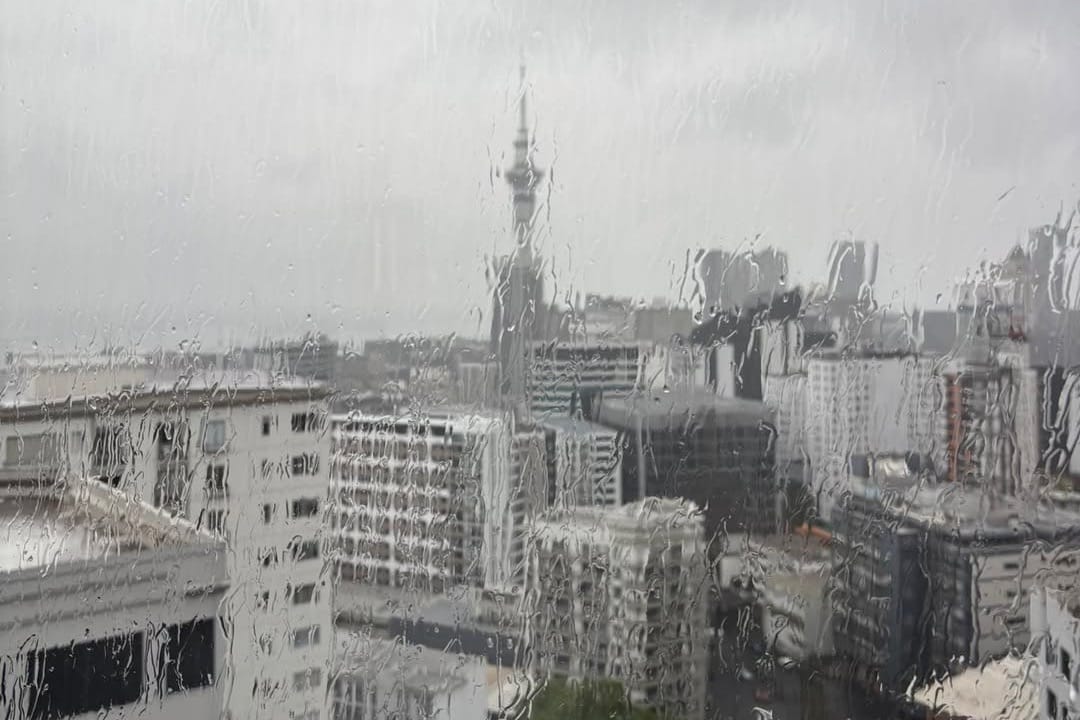
Even within the ideal November–April window, not every day is a good painting day. What actually matters is finding a run of consecutive dry, mild days — enough for the surface to be completely dry before starting, and enough time afterwards for each coat to cure before rain or heavy dew returns.
Temperature and surface heat
A hot, cloudless January afternoon might feel like perfect painting weather, but direct, harsh sun on a wall can actually cause paint to dry too quickly, leading to visible brush or roller marks and poor film formation. This is one reason experienced painters often work around a building through the day, following the shade rather than painting whichever wall the sun happens to be hitting.
Humidity and direct sun
Overcast, dry conditions are often more forgiving than bright sunshine — as long as rain isn’t forecast. Morning dew is another factor that catches people out: a wall can look dry on the surface while still holding moisture underneath, which is enough to compromise adhesion if painting starts too early in the day.
Does it matter which side of your house you’re painting?
Yes — and this is where Auckland’s specific geography comes in. North- and west-facing walls take the brunt of UV exposure and generally fade and chalk fastest, while homes in coastal suburbs deal with salt air on top of everything else.
Our coastal exterior repaint in Kohimarama is a good example of the salt air issue — those plaster surfaces needed a full wash to remove salt deposits before any paint could go on, regardless of what the calendar said.
The UV side of things shows up just as clearly on a recent project in Grey Lynn. This two-storey cedar home on Dryden Street had heavy weathering concentrated on exactly the elevations you’d expect — the north and west faces — after prolonged sun exposure.
Restoring it meant a full soft wash and careful prep before any coating went on. Worth noting: Resene Woodsman is a stain, not a paint — it’s designed specifically for timber like cedar, soaking into the grain rather than forming a surface film. That’s different from the paint systems mentioned elsewhere in this guide (like Lumbersider or X-200), and it’s why timing matters just as much for staining as it does for painting — Woodsman still needs a dry, mild window to penetrate and cure properly.
Aspect also affects which parts of a job get scheduled first within a project. A shaded south-facing wall might be workable on a warmer day when the north face is in direct, harsh sun — which is part of why sequencing a job properly, rather than just “starting on Monday,” makes a real difference to the finished result.
Planning ahead pays off — booking in peak season
Because November to April is the best window for everyone, it’s also when Auckland painters are busiest. If you’re planning an exterior repaint, booking a few months ahead of your ideal painting window gives you a much better chance of getting scheduled inside it, rather than being squeezed into whatever slot is left over.
What about interior painting? Does the same rule apply?
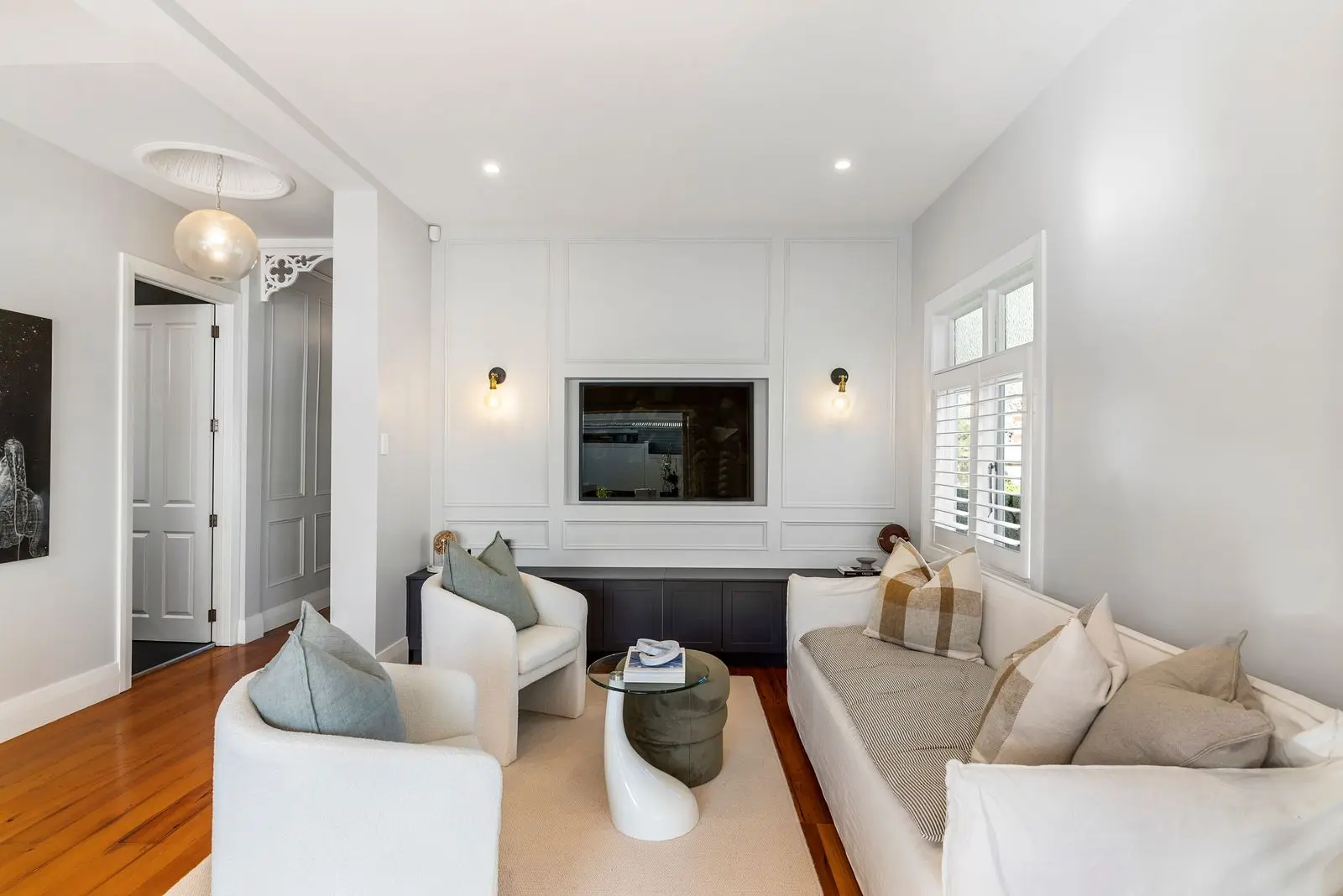
Not really — and this is genuinely good news if your home needs work inside and out. Interior painting isn’t weather-dependent in the same way, since it happens under cover. That makes winter a perfectly good time to get interior rooms done, while the more weather-sensitive exterior work waits for its ideal window. If you’re weighing up the full scope and cost of a project, our house painting cost guide breaks down interior and exterior pricing separately.
How we plan around Auckland’s weather
Prep is the part of an exterior job that determines whether it lasts five years or ten, and that’s true regardless of season — which is why we handle all surface preparation ourselves rather than splitting it with a homeowner, on every job we take on. Beyond prep, we watch the forecast closely, sequence work around the sun rather than the clock, and will always tell you honestly if a scheduled day isn’t right for painting rather than pushing ahead and risking the finish. If you’re planning an exterior repaint and want advice on timing for your specific property, get in touch for a free assessment and quote.
FAQs
There’s no one perfect month, but January through March tends to offer the most consistent run of warm, dry days — though a good stretch of weather in November, December, or April works just as well.
It’s possible, but it’s riskier and requires much more selective scheduling around dry spells. Interior work is a better fit for winter months.
This varies by product, but as a general rule, a coat needs several hours of dry weather at minimum, and ideally a full dry day, before it can reliably withstand rain without damage. This is why professional painters plan around multi-day forecasts, not single days.
Does the colour I choose affect timing? Not the timing itself, but darker colours absorb more heat and UV, which can affect how a paint film cures in direct summer sun and how long the colour holds up over time.
Ready to plan your exterior repaint?
If you’re weighing up when to get your home’s exterior painted, we’re happy to talk through the best timing for your specific property, aspect, and cladding — no obligation. Get in touch for a free assessment and quote.