
Getting three quotes for a repaint and watching them land thousands of dollars apart is one of the most common frustrations Auckland homeowners run into. Two painters can walk through the same house and come back with wildly different numbers and wildly different promises — and on paper, it’s hard to tell who’s actually going to do the job properly.
The good news: you don’t need to be a painting expert to tell the difference. You just need to ask the right questions before you sign anything. The answers (or the dodging) tell you almost everything about how the job is likely to go.
Here are the questions worth asking every painter you’re considering, and what a good answer should sound like.
Why These Questions Matter More Than the Price
It’s tempting to just compare the bottom-line numbers on a few quotes and go with whoever’s cheapest. But price alone doesn’t tell you what’s included, whether prep has been costed properly, or whether the person on your roof next month is actually qualified to be there.
If you haven’t already, it’s worth reading our guide on how much it costs to paint a house in Auckland first — it explains why quotes vary so much and what a proper breakdown should include. The questions below build on that, helping you work out which quote is genuinely the better one, not just the cheaper one.
10 Questions to Ask Before Hiring a Painter
1. Are you a Registered Master Painter?
Registered Master Painters have met industry standards around workmanship, business practice, and accountability — it’s a meaningful signal, not just a badge on a website. Ask whether the company (and the crew doing the actual work) is currently registered, and ask what that membership guarantees you if something goes wrong.
What a good answer sounds like: a straight yes, plus an explanation of what the registration backs up — insurance, a workmanship guarantee, and access to a dispute resolution process if needed.

2. Can I see recent reviews and examples of past work?
Anyone can put a handful of five-star testimonials on a homepage. Ask for their Google Business reviews directly, and ask for examples of homes similar to yours — same era, same cladding type, similar scope. A painter with nothing recent to show you, or who’s reluctant to share references, is worth a second thought.
What a good answer sounds like: a link to their Google reviews (with a consistently high rating, not just a few cherry-picked quotes), plus two or three relevant project examples they’re happy to talk you through.
3. What exactly does your written quote include?
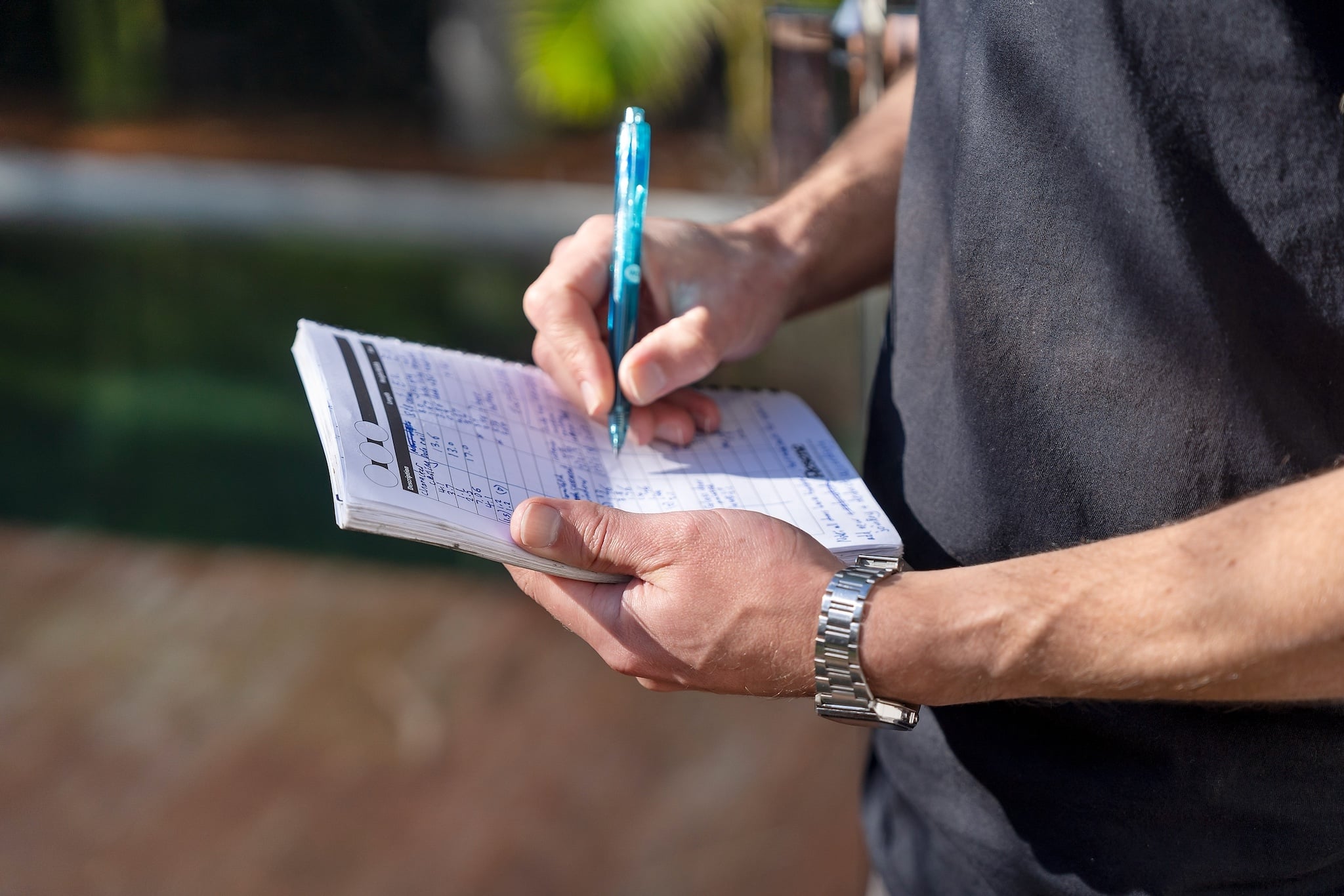
A quote that’s just a number with no detail behind it is a red flag. A proper quote doesn’t need to break the price down cost-by-cost, but it should clearly spell out the scope of work, the paint products and number of coats, whether scaffolding or a house wash is included, prep required, payment terms, and a timeline. This is also where most of the “why are these quotes so different” confusion gets solved — one painter might be quoting two coats and scaffolding, another might be assuming ladder access and a single coat, even if both hand you a single total price.
What a good answer sounds like: a written quote with one clear overall price, backed by a full description of what that price covers — not a verbal estimate or a bare figure with nothing explaining what’s included.
4. Who’s doing the prep work, and is it included?
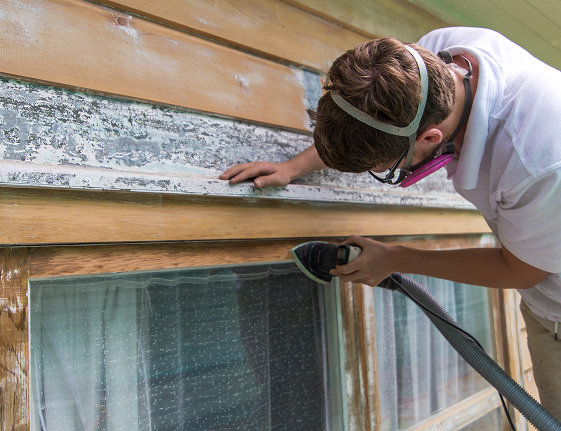
Prep is where a paint job either lasts five-plus years or starts peeling within two. Ask specifically what prep involves for your home — washing, scraping, sanding, filling, priming — and whether it’s included in the price or treated as a separate cost.
Be cautious of any painter willing to start a job where someone else (including you) has already done partial prep work. A professional stands behind the whole job, and that’s much harder to do when they didn’t control every step that came before the paint went on.
What a good answer sounds like: a clear description of the prep process specific to your home’s condition, fully costed into the quote — not an assumption that you’ll handle some of it yourself to save money.
5. What paint brand and products will you use?
Reliable painters will name the specific products in the quote itself, not just say “quality paint.” Ask about the brand, the paint system for each surface, and the finish (flat, low sheen, satin, gloss) they’re recommending and why.
What a good answer sounds like: specific products named for specific surfaces — for example, a mould-resistant formulation for a bathroom, or a durable enamel for doors and trim — with a reason behind each choice, not a generic answer.
6. Do you carry public liability insurance?
This protects you if something goes wrong on your property during the job — a broken window, damaged landscaping, or worse. It’s a basic professional standard, but it’s worth confirming rather than assuming.
What a good answer sounds like: a confident yes, ideally with an offer to provide proof of cover if you ask for it.
7. What’s your workmanship guarantee?
A guarantee is the painter putting their money where their mouth is. Ask how long it covers, and what specifically it covers (peeling, cracking, colour failure), versus what it doesn’t. It’s also worth asking whether the guarantee comes from the company itself or from an industry body they belong to — the two aren’t always the same thing, and it pays to know exactly who’s standing behind the work.
A third-party guarantee, like the one backed by Master Painters, is worth extra weight here. A company’s own guarantee is only as good as the company itself — if they close down, so does the guarantee. An industry-backed guarantee holds up independently of any one business, which means you’re still covered even if the painter you hired isn’t around in a few years’ time.
What a good answer sounds like: a specific, clearly explained guarantee — including how many years it runs, exactly what it covers, and whether it’s backed by the company alone or also by an industry body — not a vague “we stand by our work” with no specifics.
8. How will you protect my home during the job?
Floors, furniture, driveways, gardens, and anything nearby the work area can get damaged if a crew isn’t careful. Ask what they use to protect surfaces — drop cloths, plastic sheeting, painter’s tape — and how they handle daily clean-up.
What a good answer sounds like: a described process, not an assumption that “we’re always careful.” Daily clean-up and a genuinely tidy site each day are a good sign the same care will extend to the actual paintwork.
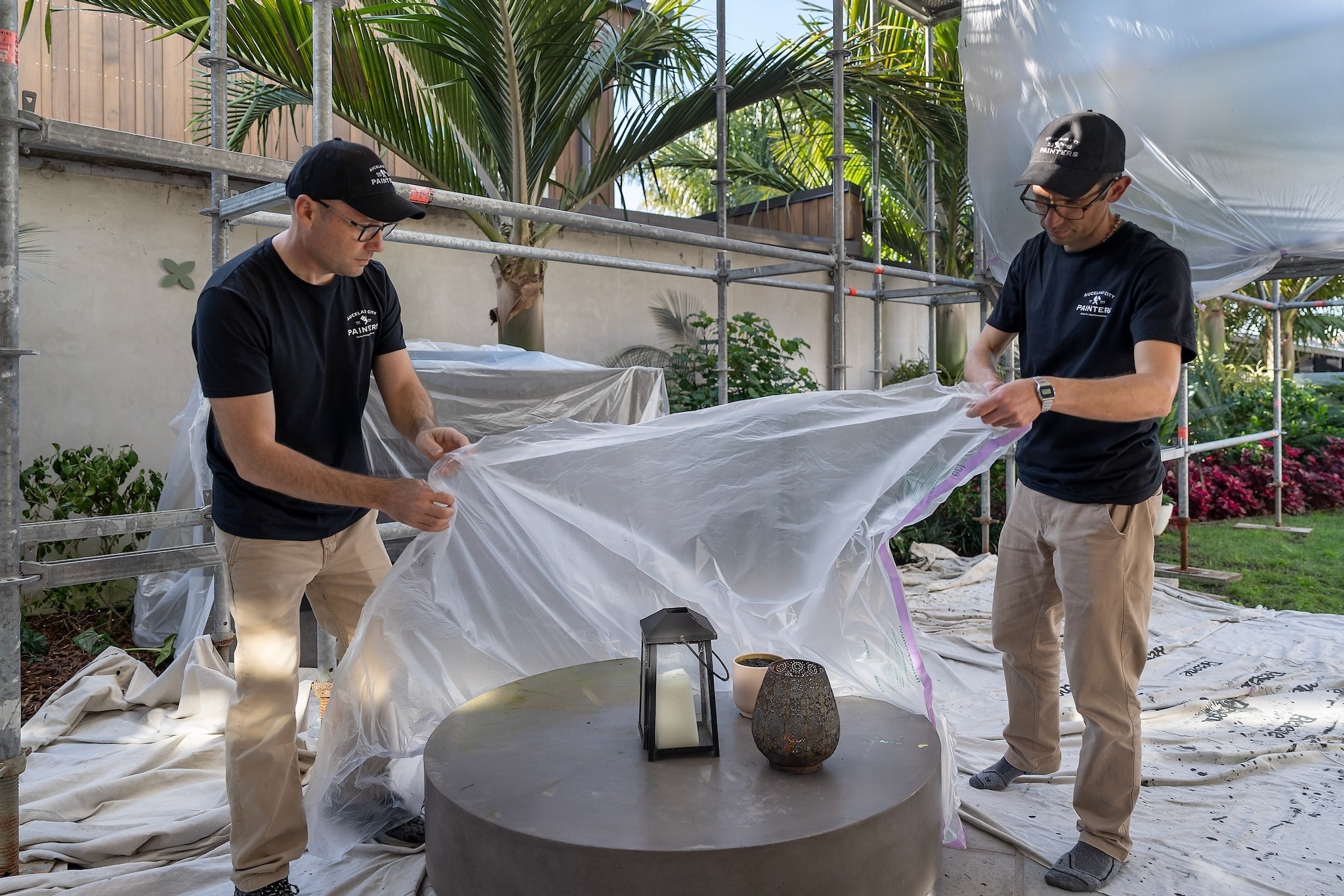
9. How do you handle Auckland’s weather and drying times?
Auckland’s conditions can turn quickly, and painting in the wrong weather (too wet, too humid, too hot) causes real problems — poor adhesion, blistering, streaking. Ask how the painter plans around weather, and how they handle drying time between coats rather than rushing to finish on schedule.
What a good answer sounds like: an explanation of how they monitor conditions and adjust timelines, rather than a promise to finish by a fixed date no matter what the forecast looks like.
10. Do you offer help choosing the right colour?
Colour choice affects how the whole project looks and feels, and it’s genuinely hard to get right from paint swatches alone. Ask whether colour guidance is included, and whether it comes from someone properly trained in it.
What a good answer sounds like: an offer of an in-home colour consultation, ideally with a paint brand’s own colour expert — not just a suggestion to “have a look at some sample pots.”

Red Flags Worth Trusting Your Gut On
If you’re hearing more than one or two of these while getting quotes, it’s worth pausing:
- A total price with no explanation of what it actually covers
- Vague or dismissive answers about prep work
- No mention of a specific paint brand or product
- Hesitation or evasiveness about insurance or Master Painter registration
- No guarantee offered, or a guarantee with no specifics
- Pressure to decide quickly, or a quote that seems unusually low with no explanation why
Frequently Asked Questions
How many quotes should I get before hiring a painter?
Three is generally a good number — enough to spot real differences in scope and pricing without dragging the decision out for weeks. Make sure you’re comparing like for like: same scope, same number of coats, same inclusions.
Should I be worried if a quote is much cheaper than the others?
Not automatically, but it’s worth asking why. A lower price sometimes reflects a smaller crew or genuinely competitive rates — but it can also mean less prep, cheaper paint, or a scope that’s missing something the other quotes included. The questions above will usually surface the reason.
Is it worth paying more for a Registered Master Painter?
For most homeowners, yes. It’s not just a certification for its own sake — it typically comes with insurance, accountability standards, and access to an industry-backed guarantee that gives you real recourse if something isn’t right. That backing matters more than it might seem: a guarantee from an industry body holds up even if the individual painter or business you hired isn’t trading anymore in a few years’ time, which a company’s own guarantee alone can’t promise.
What if a painter won’t answer these questions clearly?
Treat it as useful information. A painter confident in their process, pricing, and materials will usually welcome these questions rather than deflect them. Reluctance to give clear answers before you’ve even signed anything is rarely a good sign of how communication will go once the job is underway.
Choosing the right painter is really about asking the questions that separate a durable, long-lasting finish from one that fails early. If you’d like a quote that answers all of the above upfront, get in touch with Auckland City Painters for a clear, written quote with no surprises.