
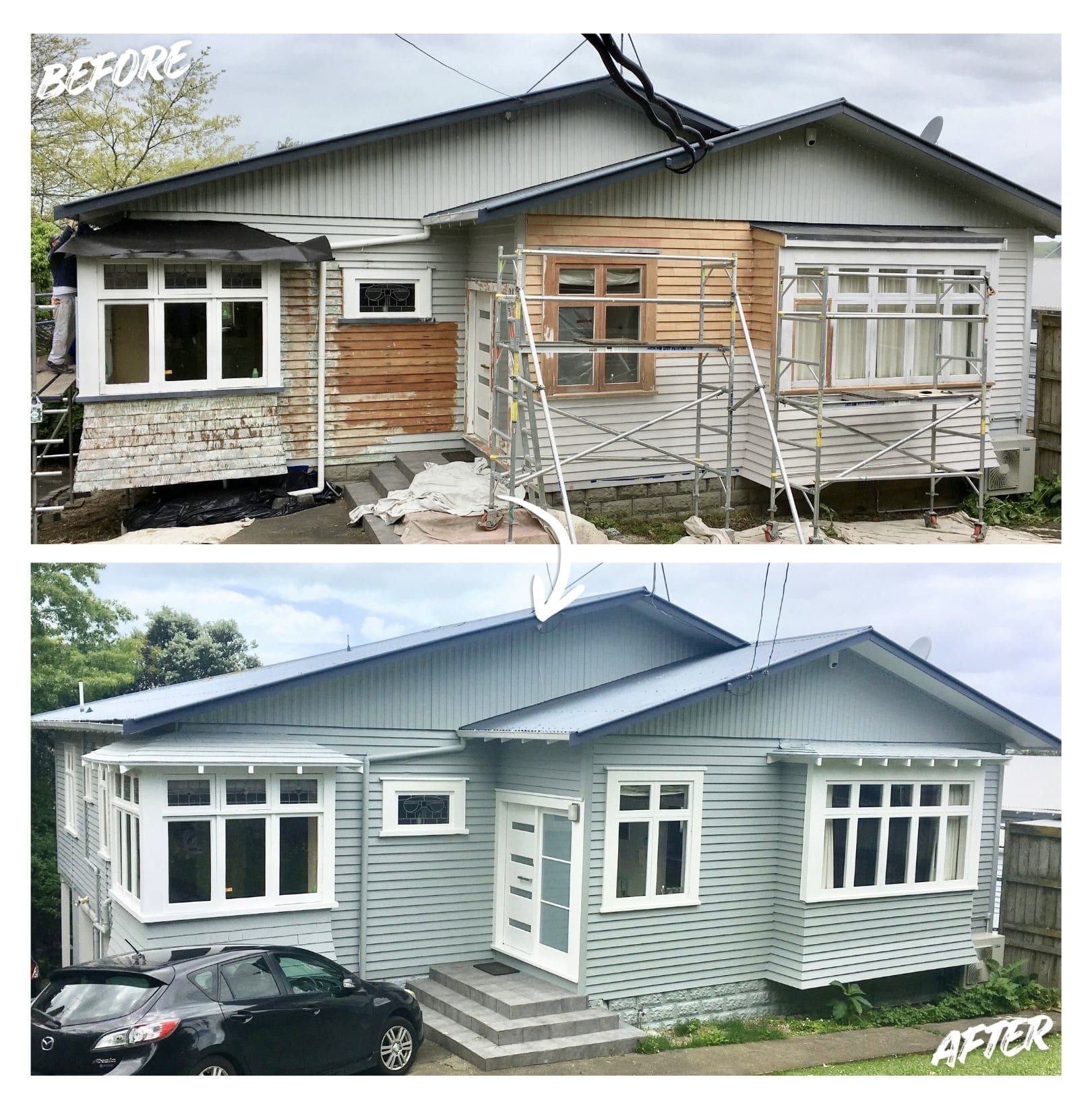
If you own a villa, bungalow, or any Auckland home built before the 1970s, there’s a good chance the layers under your current paint job contain lead. This isn’t cause for panic. But it is something every homeowner should understand before booking a repaint — especially if the old paint is flaking, chalking, or about to be sanded, scraped, or heat-stripped.
This guide covers what lead paint actually is and why it matters. It explains how to tell if your home is affected, and what a professional painting team should be doing about it. Our goal is to make sure you can ask the right questions of any painter you hire — including us.
Why lead paint is still relevant in Auckland
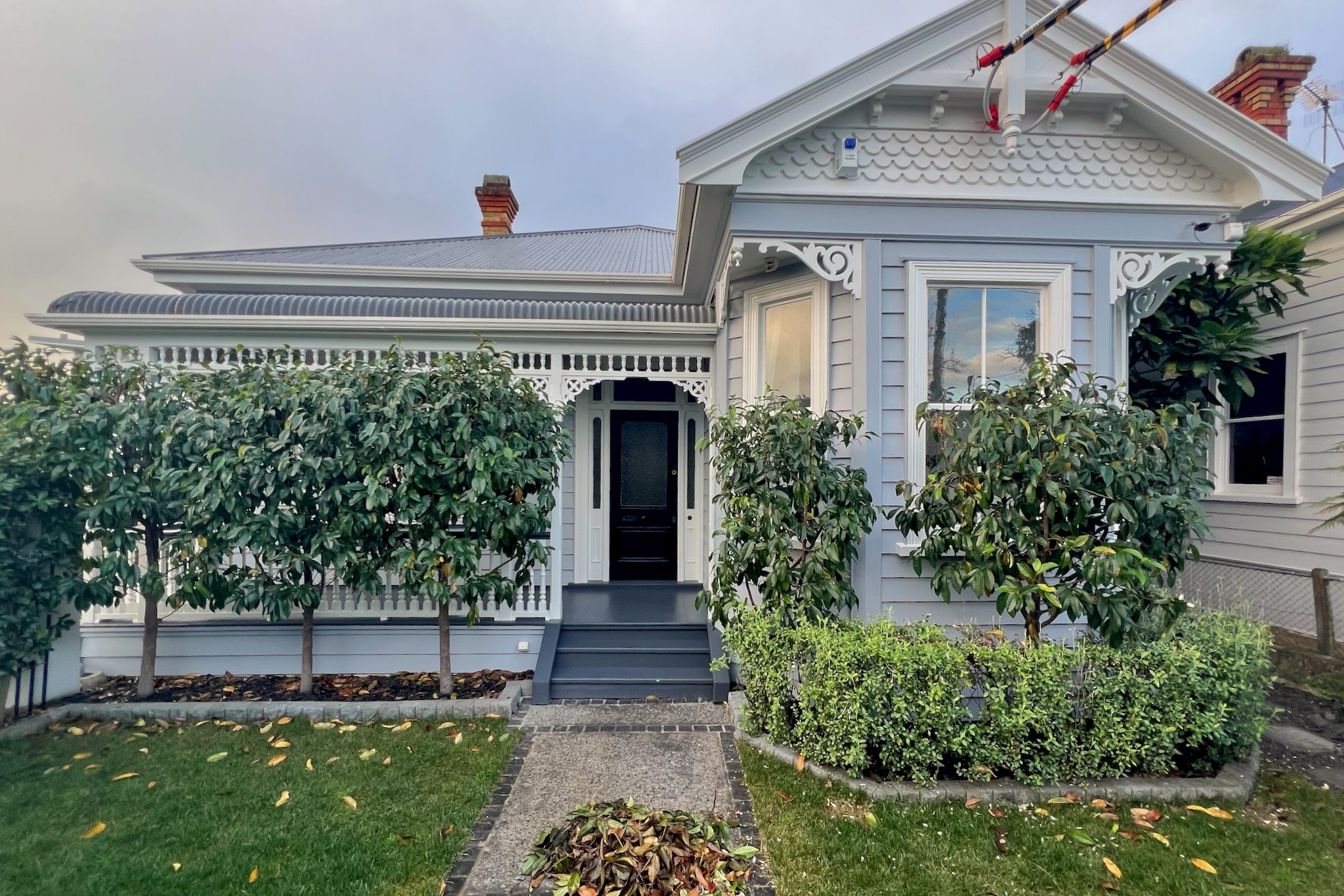
Lead was a common ingredient in house paint in New Zealand for most of the 20th century. It gave paint durability and strong colour retention. Its use declined through the 1960s and 70s as the health risks became clear, and modern paints sold today don’t contain it.
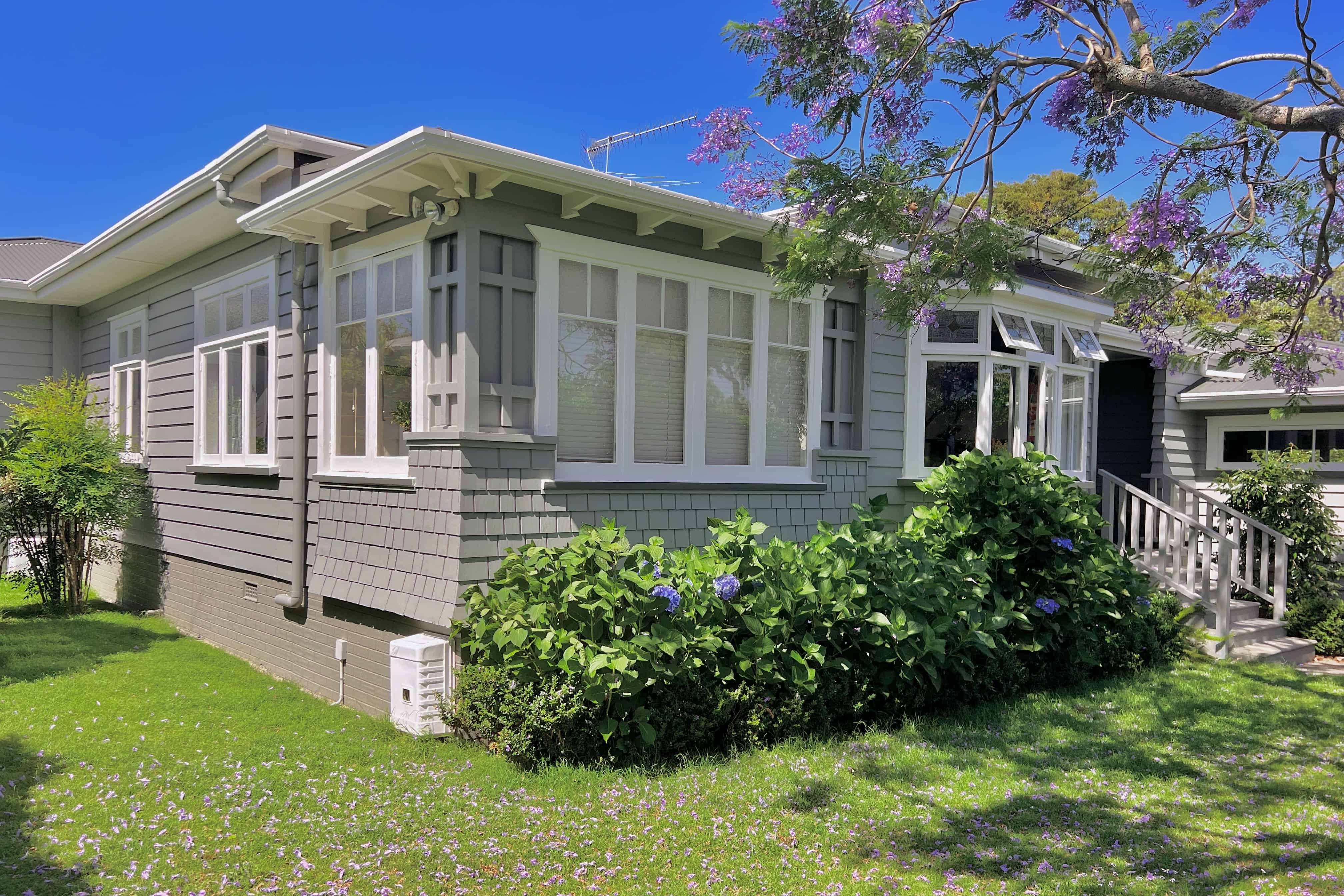
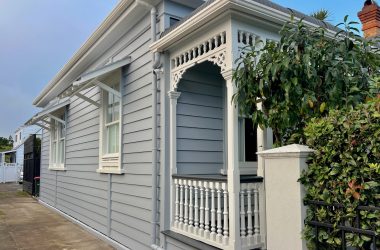
That history is exactly why it matters now. Auckland has one of the country’s largest stocks of pre-1970s housing. Villas and bungalows fill suburbs like Ponsonby, Grey Lynn, Mt Eden, Parnell, Devonport, and Mount Albert, alongside older weatherboard homes scattered right across the city. Even where a house has had several repaints since, those original lead-based layers are often still there, sitting underneath.
New Zealand health authorities give straightforward guidance: assume a pre-1970s home has lead paint in its original layers unless you’ve had it tested. You can’t tell by looking at it. A properly conducted test is the only reliable way to confirm.
Is lead paint dangerous if it’s just sitting there?
Generally, no. Old lead paint that’s intact, in good condition, and left undisturbed poses very little risk. The danger comes from disturbance — sanding, scraping, water-blasting, heat-gunning, or demolition work. These turn solid paint into dust, flakes, or fumes. That’s when lead becomes airborne or settles into soil and household dust, where people can breathe it in or swallow it.
This is precisely the situation a home repaint creates. Any exterior repaint on an older Auckland home almost always involves some paint removal. That’s why the preparation method matters just as much as the paint you choose.
Children face the highest risk, since lead dust can settle in soil and gardens where young kids play. Lead absorption also affects developing systems more than it affects adults. This is one reason the guidance is particularly firm for homes with young families.
How Auckland City Painters handles lead paint
Every quote we provide for a pre-1980s Auckland home includes an assessment for suspected lead paint as standard. It’s not an optional add-on. This is part of how we approach every exterior repaint on an older property. Here’s what that looks like in practice:
1. Assessment before quoting
Our estimator identifies the likely presence of lead-based paint based on the age of the home and the visible condition of the existing coatings, then flags this clearly in your quote.
2. Containment-first preparation
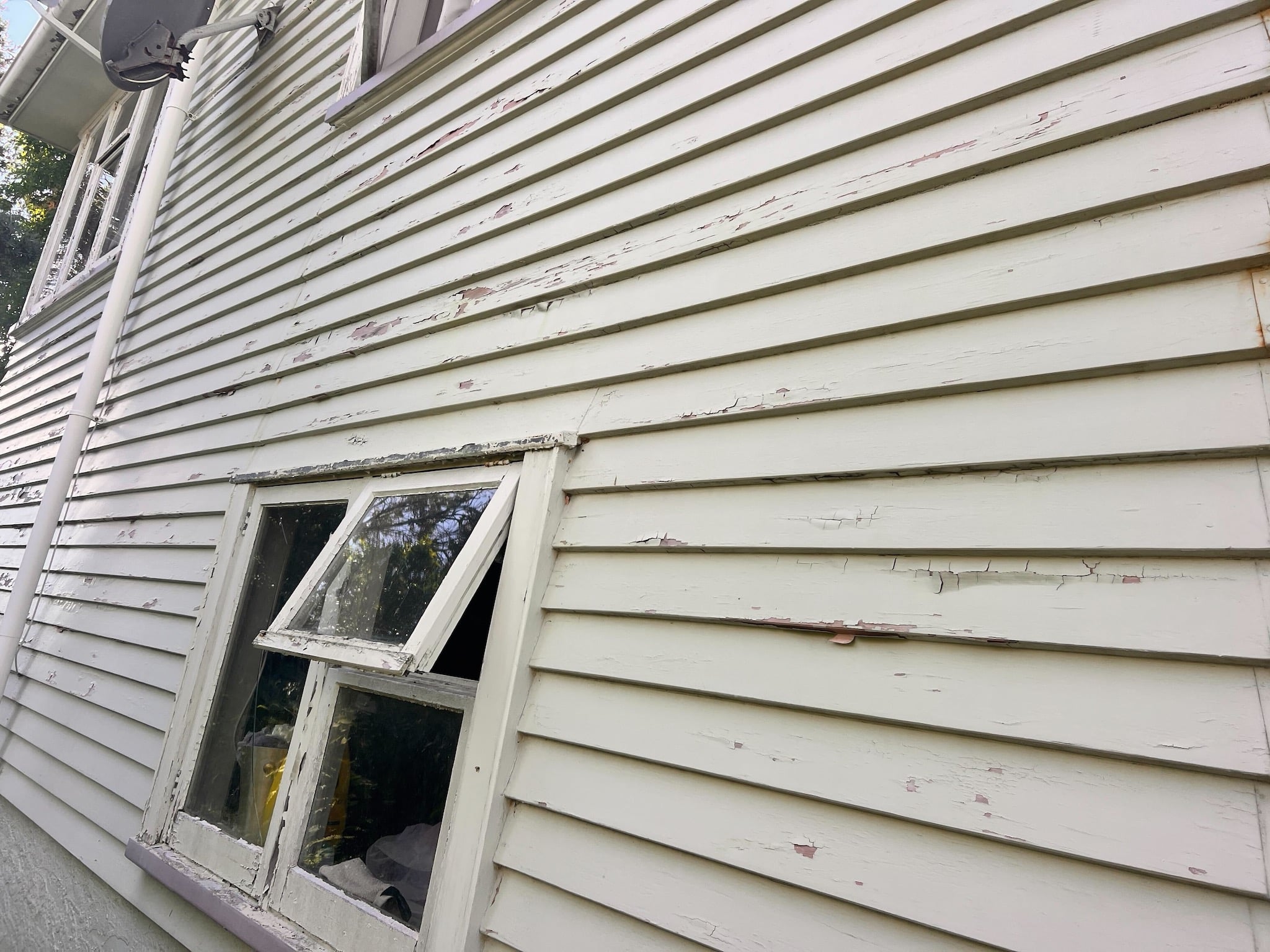
Paint stripping in New Zealand almost always means exterior work. Weatherboards, fascia, and trim take the brunt of the weather and break down over time. This is especially true once the old coating shows signs of delamination — peeling, bubbling, or lifting away from the timber. When we suspect or confirm lead paint on these surfaces, we use a containment-first approach instead of methods that generate uncontrolled dust or fumes:
- We lay drop sheets and ground containment sheeting before any prep work begins
- We strip main surfaces using a Paintshaver Pro, a rotating-blade tool that removes paint layers at a controlled depth. It contains the waste directly at the blade, rather than sanding it into the air
- We run HEPA-filtered vacuum extraction alongside this to capture any residual dust. A standard household vacuum cannot safely capture lead particles
- We hand-strip edges, corners, and detailing the Paintshaver can’t reach. We use a chemical paint stripper and scraper here, and avoid dry sanding in these areas
- We never use heat guns, blowtorches, or open-flame paint removal, since these release toxic lead fumes
- We never dry abrasive-blast lead-affected surfaces
3. Safe disposal
We bag and contain paint waste and debris from lead-affected work, then dispose of it in line with the relevant hazardous waste requirements — never into a garden bed or general skip.
4. Clean handover
We wet-wipe and vacuum the work area at the end of each day and before final handover. This means you’re not left with contaminated dust in gutters, decking, or garden soil.
This approach follows the Australian/New Zealand standard for managing hazardous paint in residential buildings (AS/NZS 4361.2), alongside WorkSafe New Zealand’s guidance for tradespeople working with lead-based paint.
Questions to ask any painter about lead paint
If you’re getting quotes from multiple companies, these questions reveal a lot. They show how seriously a painter takes lead safety:
- “Will you test for lead paint, or assume it based on the age of the home?” Either is a reasonable answer for a standard residential repaint. Testing is more precise, but an age-based assumption paired with proper containment methods is standard industry practice.
- “What preparation method will you use — dry sanding, heat gun, or a contained mechanical stripper?” If the answer is a heat gun or plain dry sanding on a pre-1980s home, that’s a red flag.
- “How is the dust and debris contained and disposed of?” A vague answer here usually means there isn’t a real process in place.
- “Are you certified for lead-based paint removal?” Master Painters New Zealand offers specific certification for this. A genuinely qualified painter should confirm it without hesitation.
A slightly higher quote that includes proper containment is almost always the better choice. A cheaper quote that skips containment usually skips real time, equipment, and disposal costs too — not padding, but corners being cut.
What this means for your quote
Paint stripping isn’t automatically part of every job. You’ll only need it where the existing coating shows signs of delamination — peeling, bubbling, or lifting. If your home dates from before 1980 and has delamination present, expect your quote to include a line item for lead-safe stripping. The cost depends entirely on how much of the house needs it: just a section of weatherboards, one elevation, or the full exterior. This can range anywhere from $1,500 for a small area up to $25,000 for a full strip on a larger home. It’s not something to negotiate away. It’s the part of the job that protects your family, your garden, and your painting crew.
For a sense of how this fits into overall project costs, see our house painting cost guide (link to your “How Much Does It Cost to Paint a House in Auckland?” article once it’s published — placeholder until you confirm the URL).
We’ve tackled this exact scenario before. See our Mount Albert paint stripping case study, where we safely stripped approximately 80% of a bungalow’s exterior back to bare timber, following certified lead-based paint removal procedures. Our Sandringham bungalow case study is another good example. One full side of that house had failed so badly it needed the same treatment.
Frequently asked questions
How do I know if my home has lead paint?
If your home dates from before 1970, assume the original paint layers contain lead. A professional painter can assess the likely risk on-site based on age and paint condition. A certified test is the only way to confirm it for certain.
Do I need to remove all the lead paint before repainting?
Not necessarily. In many cases, painting over intact, well-adhered lead paint with a fresh coating system is an accepted and safe approach. The priority is avoiding disturbance, not always full removal. Only areas that are failing, flaking, or need stripping for other reasons require active removal.
Is it safe to live in the house while lead paint work is happening?
For most exterior work with proper containment, yes. For larger jobs or extensive interior stripping, your painter should walk you through any precautions specific to your situation — particularly if young children or pregnant occupants live in the home.
Does lead paint affect my ability to sell the house?
No. It’s extremely common in Auckland’s older housing stock, and it doesn’t count as a defect the way structural issues do. Keeping documentation that shows any painting work met a recognised standard is still a good idea.
Can I test for lead paint myself?
Basic home test kits exist, but they can produce false negatives, particularly through multiple paint layers. For anything beyond personal curiosity, a professional assessment is more reliable.
Get a lead-safe quote
If you’re planning a repaint on an older Auckland home, we’ll assess the paint condition and flag any lead considerations up front. You’ll get a clear, itemised quote with no surprises once work starts.
We’re a Registered Master Painters company, certified with Master Painters New Zealand for lead-based paint removal. We hold a 5-star Google rating and a 5-Year Workmanship Guarantee, and we follow AS/NZS 4361.2 and WorkSafe NZ practices on every pre-1980s property.